

When Do Pets Become Senior? Explained by Weybridge


We like to think of our pets as staying young forever - but the reality is that dogs, cats, and rabbits all reach senior status earlier than most owners expect. Recognising when your pet enters this life stage can make a real difference to the care you provide and the health issues you're able to catch early.
Our team at Weybridge are here to help you understand what senior status means for your pet - book a senior pet assessment with our team today.
Book a senior appointmentWhy senior status matters
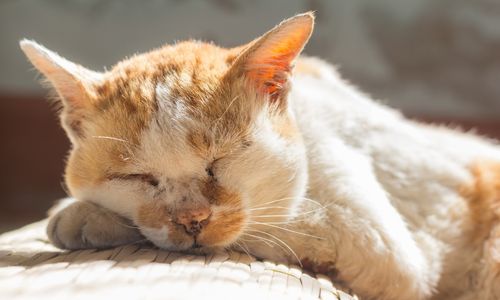
As pets age, their nutritional needs, activity levels, and health risks all change. Senior pets may be more susceptible to conditions such as arthritis, dental disease, kidney issues, and weight changes - many of which can be managed much more effectively when identified early. Weybridge's team recommend more frequent health checks for senior pets, as issues that develop gradually can be easy to miss at home.
When does a dog become senior?
Our team in Weybridge explain that for dogs, senior status varies significantly by breed size - larger breeds age faster and tend to have shorter lifespans than smaller breeds.
- Small breeds (under 10kg, such as chihuahuas and toy poodles) - generally considered senior from around 10 to 12 years
- Medium breeds (10-25kg, such as spaniels and border collies) - typically senior from around 8 to 10 years
- Large breeds (25-45kg, such as Labradors and golden retrievers) - often considered senior from around 7 to 8 years
- Giant breeds (over 45kg, such as Great Danes and Saint Bernards) - may reach senior status from as early as 5 to 6 years
If you're unsure where your dog sits, our team in Weybridge are happy to provide tailored advice.
When does a cat become senior?
Cats tend to age more gracefully than dogs, but they do still have distinct life stages. Most vets consider cats to be senior from around 7 years, though many remain healthy and active well into their teens. From around 11 years, cats are often classed as senior, and geriatric from 15+, when health monitoring becomes particularly important.
Our team at Weybridge highlight that senior cats can be very good at masking discomfort or illness, which is why regular check-ups become especially valuable as they get older.
When does a rabbit become senior?
Rabbits have a shorter lifespan than cats and dogs and tend to be considered senior from around 5 to 6 years of age, depending on the breed. Larger rabbit breeds may reach senior status a little earlier. As rabbits age, they can be prone to dental issues, arthritis, and changes in gut motility - all of which benefit from early monitoring. Our team in Weybridge recommend senior rabbit owners book a health check at least once a year, if not twice.
What changes with senior status?
Recognising your pet as senior is the first step - but it's what comes next that makes the difference. Our veterinary team in Weybridge recommends focusing on:
- A diet tailored to their age and any existing health conditions
- More frequent vet check-ups to monitor for age-related changes
- Adjustments to exercise - keeping them active without overexerting ageing joints
- Environmental changes such as softer bedding, ramps, and raised food bowls to reduce strain
Getting ahead of these changes - rather than waiting for symptoms to appear - gives senior pets the best possible chance of a comfortable, healthy later life. For tailored advice from Weybridge, book an appointment today.
Book a senior pet assessment