

What You Should Know About Seasonal Shedding


If your home suddenly appears to be covered in extra fur, you're not imagining it. Autumn is one of the busiest shedding seasons of the year, and while it can feel like a lot, it's usually completely normal. Here's Weybridge's guide on what's happening, what to expect and when it might be worth a closer look.
If you have any coat or skin concerns, our team in Weybridge are here to help - book a coat consultation with us today.
Book a coat consultationWhy do pets shed more in autumn?
Shedding is mainly driven by changes in daylight rather than temperature. As the days shorten across Surrey, some pets naturally begin to lose their lighter summer coat and grow a denser one for winter. Indoor pets aren't exempt - many cats and house rabbits shed more consistently year-round, though most still experience a heavier moult in autumn.
What to expect by pet type
Dogs
Double-coated breeds - such as golden retrievers, border collies and huskies - tend to have two heavier moults each year, with autumn being one of them. Weybridge's team suggest brushing daily during peak shedding to remove dead fur and prevent matting. Short-coated breeds shed too, though it tends to be less obvious.
Cats
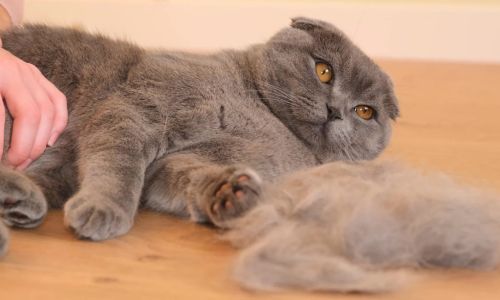
Increased shedding means more fur is swallowed during self-grooming, raising the risk of hairballs - particularly in long-haired breeds. Regular brushing helps reduce the volume of fur your cat swallows. Our team in Weybridge can advise on the right grooming tools for your cat's coat type.
Rabbits
The autumn moult can be one of the heavier ones for rabbits, often starting at the head and working back across the body. Our team at Weybridge recommend daily gentle brushing and plenty of hay during this time, as swallowing excessive fur can contribute to gut stasis (GI stasis), which can be life-threatening and requires prompt veterinary attention. If you're unsure how to support your rabbit through a moult, our friendly team are always happy to help.
When shedding might be something more
Seasonal shedding is normal, but pet owners across Surrey should book an appointment if they notice any of the following in their dog, cat or rabbit:
- Bald patches or uneven hair loss that doesn't follow a typical shedding pattern
- Excessive scratching, biting or rubbing at the skin alongside shedding
- Redness, flaking, sores or changes in skin condition beneath the coat
- Shedding that continues heavily for more than a few weeks without settling
These can sometimes point to skin allergies, parasites, hormonal imbalances or nutritional deficiencies - all worth investigating early.
If anything feels off, our vets in Weybridge are here to help - book a coat consultation today.
Book a coat consultationFor more seasonal pet care advice, take a look at our latest news.